
As digital transformation accelerates across every industry, project management has become broader and more complex than ever. Today’s project managers must connect business goals with technological innovation, often working across distributed teams and rapidly changing priorities.
At ZettaOnline, where projects range from fintech platforms to secure digital infrastructure, project leadership is a key factor that turns technical expertise into long-term success.
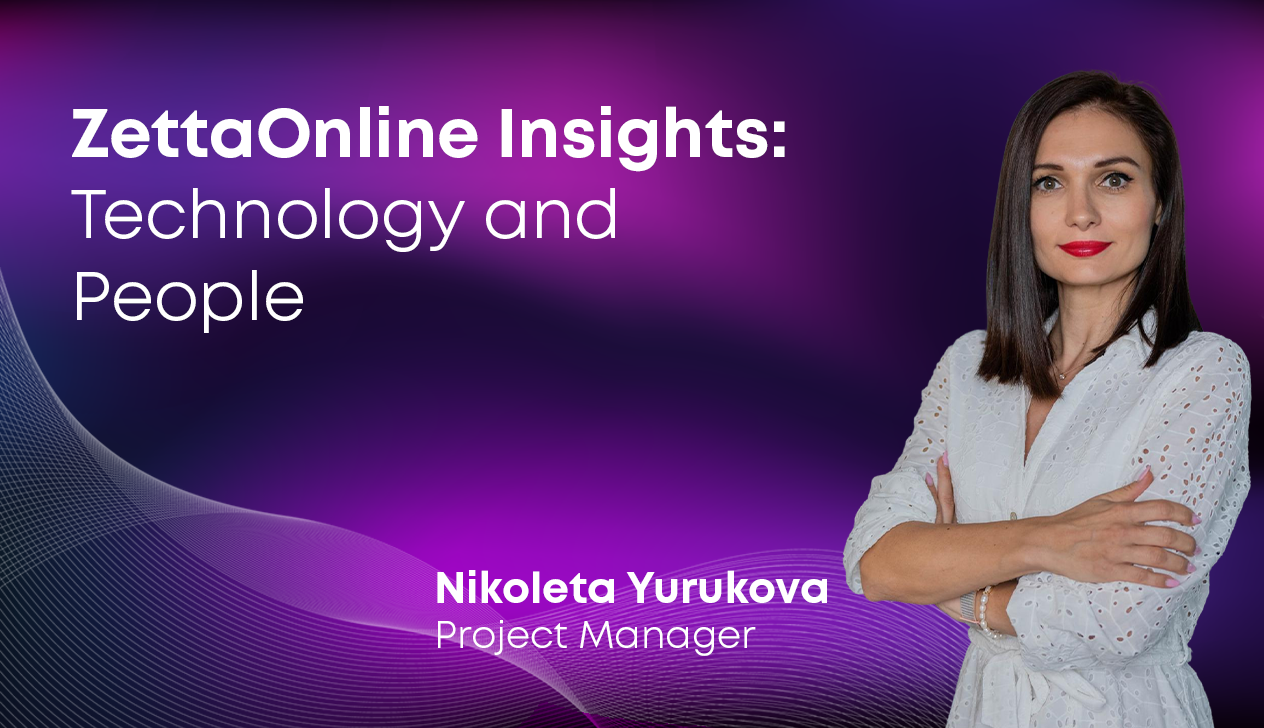
“Project management is no longer only about coordination. It’s about creating direction and stability for both the team and the client,” says Nikoleta Yurukova, Project Manager at ZettaOnline.
From Management to Strategic Leadership
The strongest project managers in 2026 will be those who think beyond delivery schedules. They act as strategic leaders, turning client expectations into measurable goals and ensuring teams understand how their work drives business outcomes.
“A good project manager knows how the technology works. A great one knows how to make it work for the business,” says Nikoleta.
At ZettaOnline, project managers focus on aligning every sprint and milestone with performance, security, and user experience metrics. This data-driven mindset helps reduce project risk and improve decision-making - skills that are becoming essential as projects grow in complexity and compliance demands rise.
Communication That Builds Trust
Clear, structured communication is one of the strongest predictors of project success. In distributed teams, it’s not just about frequent updates, it’s about the quality of information shared. Weekly syncs, transparent dashboards, and honest progress reporting create visibility and prevent small issues from escalating.
“When communication is transparent, clients become partners, not just recipients of updates,” explains Nikoleta.
This culture of trust ensures smoother collaboration, faster approvals, and a shared understanding of priorities, all crucial when managing multi-market projects where deadlines and regulations differ.
Adapting to Change and Complexity
In 2026, project environments will be shaped by continuous change: from evolving data privacy rules to advances in fintech integration and cybersecurity. The best project managers anticipate these shifts early, adjusting scope and resources before they impact delivery.
Adaptability doesn’t mean flexibility alone. It means structured agility: combining solid processes with the ability to pivot fast. At ZettaOnline, project managers apply scenario planning and risk mapping as part of every onboarding phase, helping teams stay ready for market or compliance shifts. This proactive approach reduces downtime and protects long-term project value.
The Human Side of Technology
Technology succeeds when people do. A healthy project culture encourages ownership, empathy, and shared learning. Leaders who recognise individual strengths build teams that stay motivated and resilient, especially under tight timelines.
“When people feel trusted and informed, they take responsibility for results, and that’s when projects truly grow,” adds Nikoleta.
Strong project management in 2026 will depend not just on tools or frameworks but on human connection - understanding what drives people and how to keep collaboration meaningful in a digital-first world.
Looking to 2026
As the new year approaches, project leadership is evolving from a task-based role to a strategic one. Managers who blend structure with adaptability, clarity with empathy, and data with purpose will be the ones driving digital innovation forward.
At ZettaOnline, this balance defines every project, ensuring solutions that are secure, scalable, and built to last.