
In fintech, every feature, workflow, or limitation influences how a platform is understood, trusted, and sustained over time.
This is what makes product management in fintech different from building products in less regulated environments.
Fintech platforms operate at the intersection of regulatory requirements, technical complexity, and user expectations. Product Managers work within this space, translating complexity into reliable and coherent products.
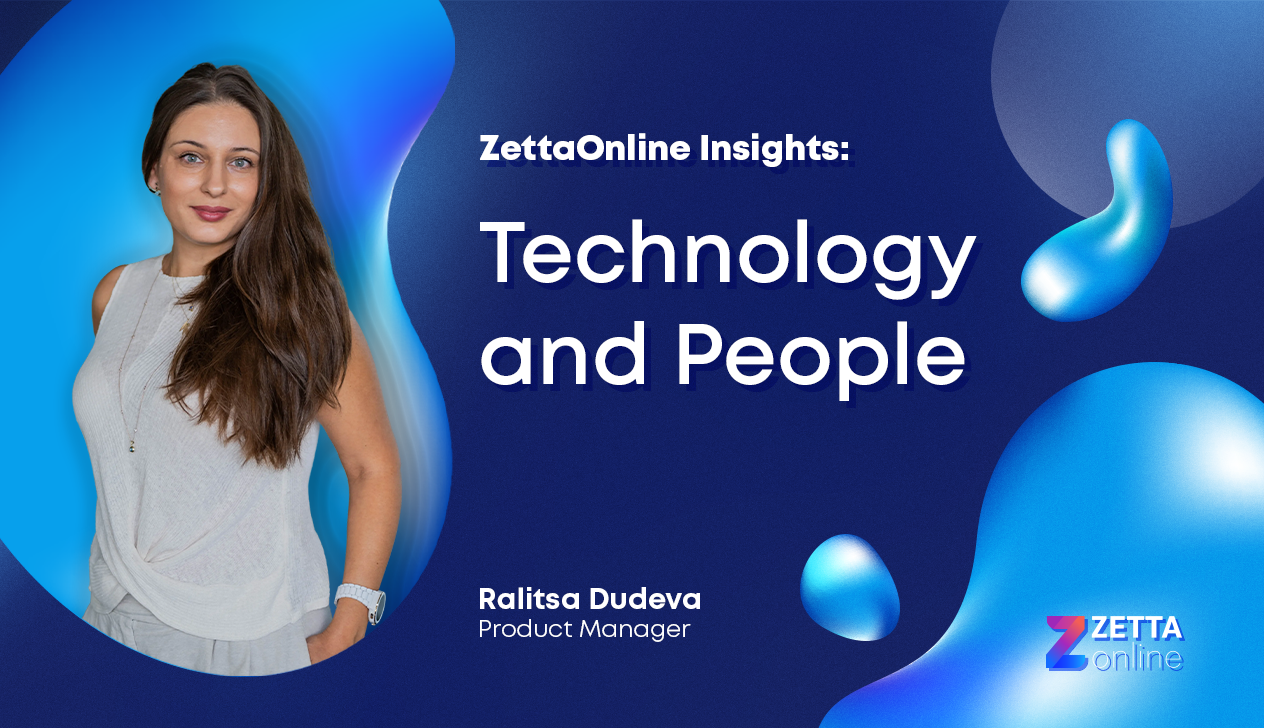
“In fintech, product decisions affect how users experience the platform and how confidently the business can operate in regulated markets,” says Ralitsa Dudeva, Product Manager at ZettaOnline. “
Trust is shaped gradually through consistent and thoughtful product behavior.
Product Management in Regulated Environments
Regulation is often perceived as a limitation, but in practice, it provides a framework within which fintech products must operate responsibly. A core responsibility in product management in fintech platforms is turning regulatory and business requirements into solutions that remain usable, scalable, and clear.
Product Managers balance innovation with responsibility. They work to ensure compliance requirements are reflected in the product without overwhelming users or internal teams. Clear product structure reduces ambiguity, supports operational efficiency, and lowers long-term risk.
“A large part of my role is making sure regulatory requirements don’t become obstacles but are translated into product decisions that still make sense for users,” Ralitsa says.
Building User Trust Through Product Clarity
User trust is built through experience. Predictability, transparency, and consistency are not abstract concepts, they are outcomes of everyday product decisions.
Users trust products that behave consistently across scenarios. When workflows are clear and outcomes feel expected, friction decreases and confidence grows. Simplicity, however, is often the result of careful prioritization and difficult trade-offs.
“Users notice immediately whether a product feels clear or confusing. Trust grows when the experience is logical and predictable,” Ralitsa says.
This is where product management in fintech plays a decisive role, as clarity is a structural choice.
Aligning Stakeholders Around a Single Product Vision
Fintech products are shaped by many perspectives: development, compliance, operations, and business strategy. These viewpoints do not always align naturally.
Product Managers act as facilitators and translators, helping teams understand how their priorities connect to the broader product direction. By providing context and clarifying trade-offs, they protect focus and product quality.
“Product management is often about alignment,” Ralitsa says. “When teams understand the reason behind decisions, collaboration becomes much easier.”
Strong product management in fintech helps organisations move forward without fragmenting their efforts.
Long-Term Thinking in Fintech Solutions
In regulated industries, short-term solutions can introduce long-term challenges. Scalability, compliance, and market expansion all require foresight.
Product Managers advocate for decisions that support sustainable growth, even when that means slowing down or reassessing priorities. Thinking beyond immediate delivery helps protect the product’s future.
“In fintech, quick fixes can easily turn into long-term problems,” Ralitsa explains. “Product management means thinking ahead and protecting the product over time.”
This long-term mindset is a defining element of responsible product leadership in fintech.
Product Management as a Trust-Building Role
Ultimately, product decisions shape how a company is experienced. In fintech, where credibility is essential, product management in fintech becomes a trust-building function.
Trust is earned through consistency, clarity, and responsible decision-making. It grows when users feel confident, teams feel aligned, and the business operates with stability.
“Product management is about responsibility,” Ralitsa concludes. “Responsibility to users, to the business, and to the markets we operate in.”
In that balance lies long-term confidence, for both the product and the company behind it.